 +44 7856 312948
 support@editgardnercoaching.com





Hormones and Lifestyle: Why Hormonal Health Matters for Stress, Mood, Performance and Wellbeing
Hormones shape how you feel, think and function every day. They influence your energy, mood, sleep, appetite and ability to cope with stress. They do not only affect reproduction. They regulate your entire internal environment.
Most important, hormones and lifestyle are deeply connected. What you eat, how you sleep, how you move and how stressed you are all influence hormonal signals in your body. This is why hormonal health and stress matter not just for personal wellbeing, but also for mental health, work performance and quality of life.
So what is really happening in your body, and why does it matter so much?
What Are Hormones and Why Should You Care?
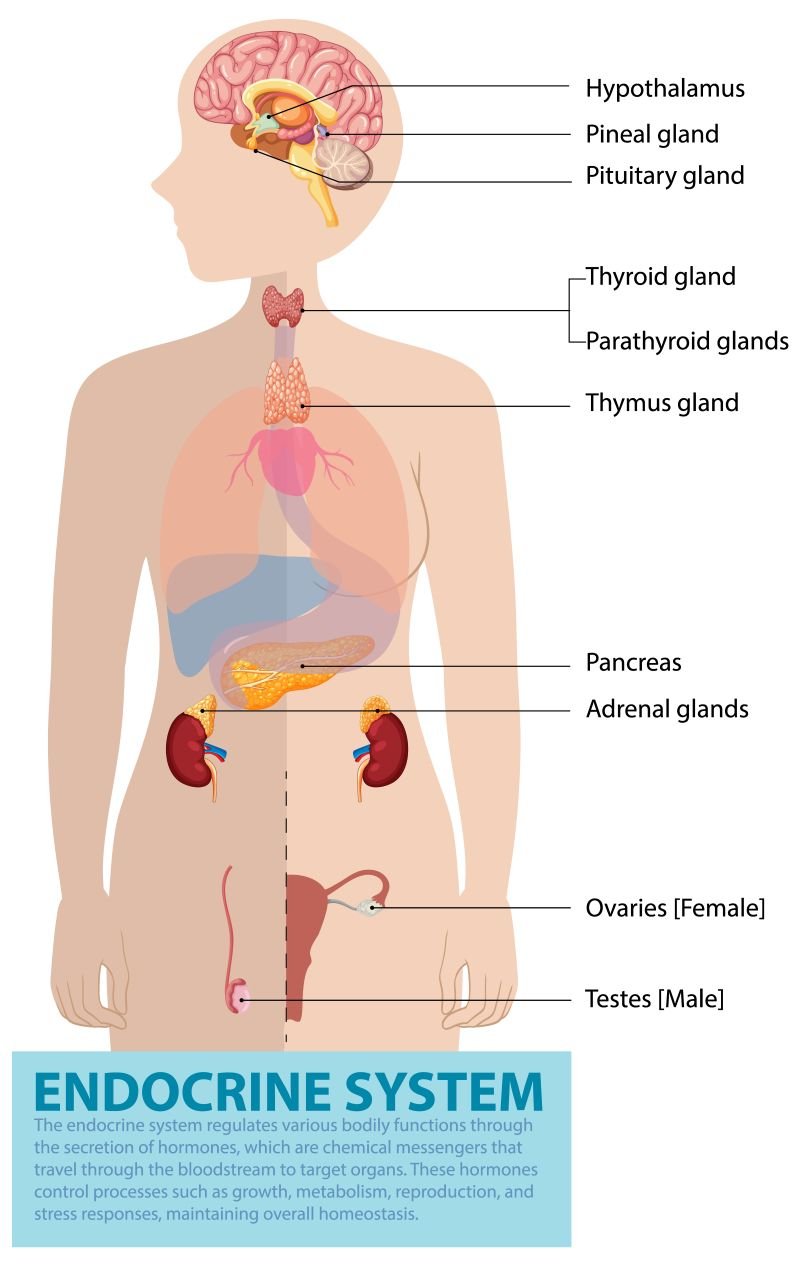
Hormones are chemical messengers released by glands in the endocrine system. They travel through your bloodstream and tell tissues what to do. They regulate metabolism, immune response, mood, sleep and appetite.
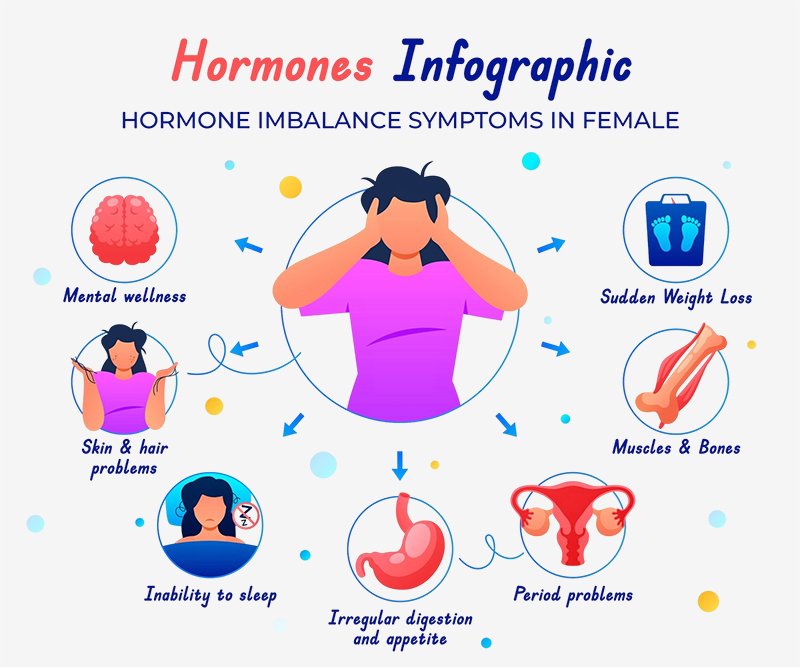
Because hormones act everywhere, a disruption in one system often shows up somewhere else. For example, chronic stress raises cortisol. High cortisol then interferes with insulin, thyroid hormones and sex hormones. As a result, you may feel tired, anxious, foggy or gain weight without changing your habits.
This is why how hormones affect mental health is not theoretical. It is physiological.
How Does Stress Disrupt Hormones?
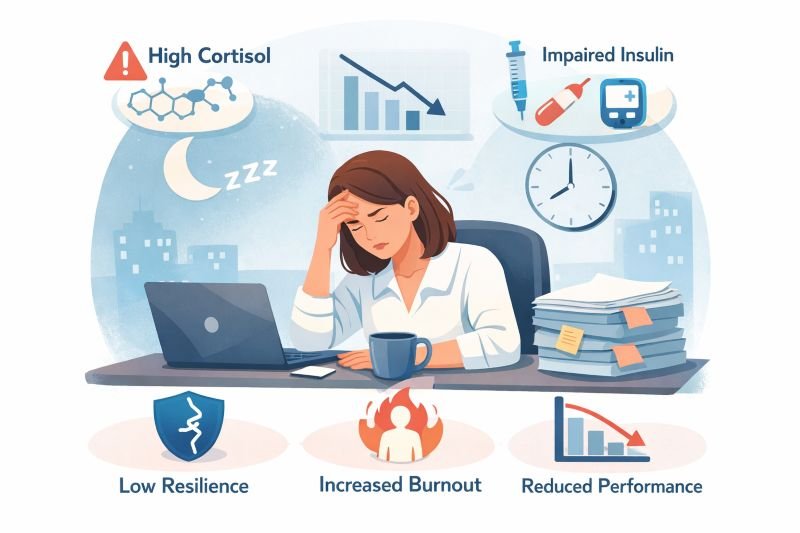
Stress activates your fight or flight system. This system releases cortisol and adrenaline to keep you safe. Short-term stress helps you react. Long-term stress keeps your system switched on.
When cortisol stays high:
- sleep becomes lighter and less restorative
- appetite hormones become dysregulated
- insulin sensitivity can worsen
- inflammation can increase
Over time this leads to fatigue, anxiety, low mood and reduced resilience. Therefore, can stress disrupt hormones? Yes, and it usually does long before symptoms become severe.
This explains why many women feel “off” for years before anything shows up on blood tests.
How Exercise Influences Hormonal Health
Exercise affects hormones in complex ways. Gentle and moderate movement improves insulin sensitivity, mood and stress regulation. However, excessive high-intensity exercise combined with high life stress can increase cortisol further and impair recovery.
Animal studies suggest high-intensity exercise improves glucose regulation and metabolic signalling in muscle and liver tissue (Wang et al., 2017). However, this does not mean more is always better for humans.
For women especially, hormones and exercise interact with the menstrual cycle.
Hormones, Mental Health and Daily Life
Hormones influence neurotransmitters in the brain. Cortisol affects anxiety and alertness. Insulin affects energy and cravings. Oestrogen and progesterone influence mood and emotional regulation.
This means hormonal imbalance and mental health often overlap. Symptoms may look psychological, but the root cause is often physiological.
Think of hormones as your internal dashboard. When something is out of range, the warning lights turn on as symptoms.
Why Hormones Matter at Work Too
Hormones affect focus, memory, emotional regulation and motivation. Therefore hormones and productivity are linked.
Chronic stress, poor sleep and long working hours affect cortisol and insulin. This then reduces resilience, increases burnout risk and lowers performance.
This is why hormonal imbalance and mental health at work is now a legitimate wellbeing issue, not a personal failure.
A Real-World Example
One of my clients came to me exhausted, anxious and frustrated. Her blood tests were “normal”. She was told to rest more and stress less.
However, her sleep was fragmented, she skipped meals and trained intensely most days. Her cortisol was constantly elevated. Once we addressed sleep, nourishment and training intensity, her symptoms improved within weeks.
Her body was not broken. It was overwhelmed.
What Can You Do?
Hormones respond slowly to change. There is no quick fix. However small consistent actions matter:
- prioritise regular sleep
- eat balanced meals regularly
- move gently most days
- reduce chronic stress where possible
- seek support when needed
👉 Download the hidden triggers checklist and take back control.
FAQs
Are hormones only important for women?
No. Everyone has hormones. They regulate metabolism, mood and stress in all genders.
Is weight always about calories?
No. Hormones like insulin and cortisol influence fat storage and energy use.
Should exercise change across the cycle?
Often yes. Many women benefit from adjusting intensity across the month.

Your Next Step
Hormones are not your enemy. They are your communication system.
When you listen to them, respond with compassion and support your body properly, health becomes easier.
👉 Download What’s Silently Fuelling Your Period Pain? Your 7-Step Hidden Triggers Checklist.
If your tests are “normal” but you still feel awful, this free checklist shows you what to look for.
References
Benton, M.J. et al. (2020). Effect of menstrual cycle on resting metabolism: a systematic review and meta-analysis. PLOS ONE. Available at: https://journals.plos.org/plosone/article?id=10.1371%2Fjournal.pone.0236025&utm
Wang, N. et al. (2017). High-intensity interval training improves metabolic health in obese mice. Journal of Applied Physiology. Available at: https://pubmed.ncbi.nlm.nih.gov/28843495/
Lambertus, M. et al. (2024). High-Intensity Interval Exercise and Neurogenesis in Mice. Frontiers in Neuroscience. Available at: https://pubmed.ncbi.nlm.nih.gov/39580614/